

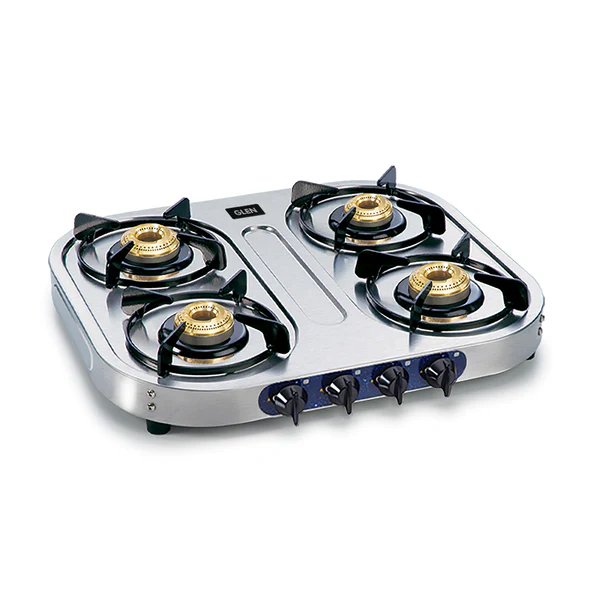
Gas stoves that have begun to wobble after several months of use can vouch for this truth: they may have developed weird turns around the burners and are prone to cracks when heavy pans are placed on them. The demand in an Indian kitchen is tough. The flames burn fiercely for long periods of time, and so does the use of the cooker; it is an iron wok that withstands extreme temperatures every day. This is when stainless steel stoves truly demonstrate their strength.
Stainless steel might seem like an obvious choice at first, but look deeper, and there are legitimate scientific principles at play for why a heavy-duty stainless steel gas range will remain sturdy and flat even years down the line. Take a look at what it means, as it is not as boring as rocket science concepts.
Heat Is the Real Test
Warping and cracking do not occur due to age. Due to unbalanced heat stress, warping and cracking take place. In case the top of the stove gets hot too fast or is heated unevenly, it contracts and stretches. The contraction and expansion cannot be carried out using low-cost materials. Due to this process, the materials are likely to distort, become weak, and even crack.
The situation, however, with the stainless steel is quite the opposite. The stainless steel molecules expand and contract extremely evenly, and this implies that the material does not go berserk when subjected to heat. When you cook on high flames for extended periods, like making any sort of gravy or simmering dal, the surface doesn’t get warped.
This is one reason why serious chefs choose to use stainless steel stove tops instead of some decorative option.
Thickness Matters More Than People Think
Here’s one thing most people will never catch: steel thickness. It might appear robust, yet the sheet metal applied could be of low but when the metal is under strain, it could end up buckling. A heavy-duty stainless steel gas stove incorporates steel sheets that are of a higher thickness level, which offer the strength of bearing loads.
This thickness serves not only two essential purposes: evenly distributing the heat on the surface and bearing heavy utensils without bending. The stove remains flat and steady, whether it is a big pressure cooker or a heavy kadai that is loaded to the brim.
This is also why high-quality stainless steel stoves do not start to show that annoying burnt look around burners over time.
Resistance to Thermal Shock
When the hot surface meets something cool, such as wiping down the stove after cooking with a wet rag, the event is called thermal shock. When materials aren’t designed to withstand such conditions, the surface will develop fissures.
It has good resistance to thermal shock. The reason is that it does not react vigorously when subjected to sudden variations in temperature. This aspect makes it safe to clean. In addition, it prevents the formation of micro-cracks on the surface.
In other words, stainless steel is very forgiving with respect to normal kitchen use compared to other materials.
Built to Handle Weight and Movement
Cooking is no gentle process. Pots are chafed with scrubbers, pans are lifted with force, or whatever happens when they hit the counter harder than intended. A cooktop made of stainless steel can bear all these tribulations.
The stainless steel lacks the capacity to bend, and this is one of the most important aspects that causes weakening ranges to develop cracks. In case the range is not flexible, then the stress will not be concentrated at a single point, and this will assist in preventing cracking.
This is especially so in bustling families where there are numerous meals are prepared in a day.
Corrosion Resistance Adds to Strength
Rust may not seem related to warping or cracking, but it absolutely is. Metal, when corroded, is weak internally. Chromium that is contained in stainless steel forms a protective oxide layer on the surface. This layer shields the metal against moisture and spills, and acidic components.
Thus, despite the presence of water splashes and oil spills, there are frequent accidents with cleaning liquids, but the body of the stove does not wear out. This corrosion resistance will, over time, ensure that the stove does not lose its shape and structural integrity.
That is yet another silent benefit of going with a heavy-duty stainless steel gas stove-it does not wear out, it grows up gracefully.
Strong Frames Make a Difference
Warping is not a function of the top surface alone. A frame plays a big role too. Good stainless steel cookers are provided with strengthened frames and robust pan supports that evenly distribute weights on the entire body.
This somehow helps to ensure that there is no place where pressure is concentrated. Therefore, this results in a flat stove, properly aligned burners, and smoother cooking processes.
Designed for Real Kitchens, Not Just Showrooms
A quality stainless steel range is meant to perform under hot conditions, liquid exposure, heavy weight, and time constraints. This is why a user can often forgo aesthetics in favour of functionality when experienced buyers consider their options for a quality range.
When you go beyond the reflective appearance and explore the world of materials science, the advantages become apparent. Stainless steel isn’t just able to withstand the challenges of the kitchen; it is optimized for the kitchen.
Why This Matters in the Long Run
It is not only the issue of aesthetics. These problems may also affect the efficiency of burning, cooking safety, and also alignment of the flow of gas. This implies that by choosing gas stoves that are resistant to warping or cracking, one would be able to have easier maintenance, hassle-free cooking, and the device is likely to last longer.
That is precisely the reason why most households resort to using the heavy duty stainless steel gas stoves, after having experimented with other frailly built options.
A Thoughtful Choice for Serious Cooking
Combine material quality, thickness, structural design, and the ability to resist heat, all working in condition, and you have a stove that just works for years as it is. That is where thoughtfully engineered stainless steel stoves step apart.For the home cook, brands like Glen Appliances bring these scientific advantages into well-designed kitchen solutions built for everyday Indian cooking, which are durable, safe, and assure consistent performance.
