

Alaska is one of the most geographically unique places in the world, and its seasons play a major role in shaping daily life, tourism, wildlife activity, and outdoor experiences throughout the state. Unlike many parts of the United States, where seasonal changes feel relatively moderate, Alaska experiences dramatic shifts in weather, daylight, temperature, and environmental conditions across the year.
These seasonal differences influence nearly everything connected to the state. Wildlife migration patterns change, tourism fluctuates, fishing seasons begin and end, and entire landscapes transform from snowy wilderness into green mountain valleys filled with wildflowers.
For travelers, understanding Alaska’s seasons can significantly affect the type of experience they have during a visit. Some people prefer the endless daylight and wildlife activity of summer, while others are drawn to winter’s snow-covered scenery and northern lights. Spring and fall also offer unique advantages, often with fewer crowds and changing landscapes.
Because Alaska is so large, seasonal conditions vary depending on the region as well. Coastal areas experience milder weather than the interior, while northern regions encounter more extreme seasonal shifts in daylight and temperature.
Part of what makes Alaska fascinating is how deeply connected the environment remains to seasonal cycles. The changes are visible, powerful, and impossible to ignore.
Understanding how Alaska’s seasons affect travel, nature, and daily life helps visitors appreciate the state more fully while planning trips more effectively based on personal interests and expectations.
Winter Creates Alaska’s Most Dramatic Transformation
Winter in Alaska is long, cold, and visually striking.
In many parts of the state, snow covers mountains, forests, and towns for months at a time. Temperatures vary greatly depending on location, but interior areas such as Fairbanks often experience extremely cold conditions during peak winter months.
One of the most significant winter changes is daylight reduction.
Northern Alaska experiences very short days during winter, while some areas above the Arctic Circle enter periods of near-total darkness known as polar night. Even the southern parts of the state receive far fewer daylight hours compared to summer.
This seasonal darkness strongly affects daily routines and tourism activities.
At the same time, winter creates opportunities for experiences unavailable during other seasons. Northern lights viewing becomes one of the state’s biggest winter attractions because dark skies and cold conditions improve visibility for the aurora borealis.
Outdoor recreation also changes dramatically.
Activities such as dog sledding, snowmobiling, skiing, snowshoeing, and ice fishing become major parts of winter life and tourism. Frozen landscapes allow access to areas that may be difficult to reach during warmer months.
Wildlife behavior changes, too. Some animals hibernate, while others adapt to the harsh conditions through migration or seasonal changes in feeding patterns.
Winter in Alaska feels intense but also remarkably peaceful. Snow-covered landscapes and quiet forests create an atmosphere many travelers describe as calming and unforgettable.
Spring Signals The Return Of Activity
Spring arrives gradually in Alaska, and the transition often feels dramatic after long winters.
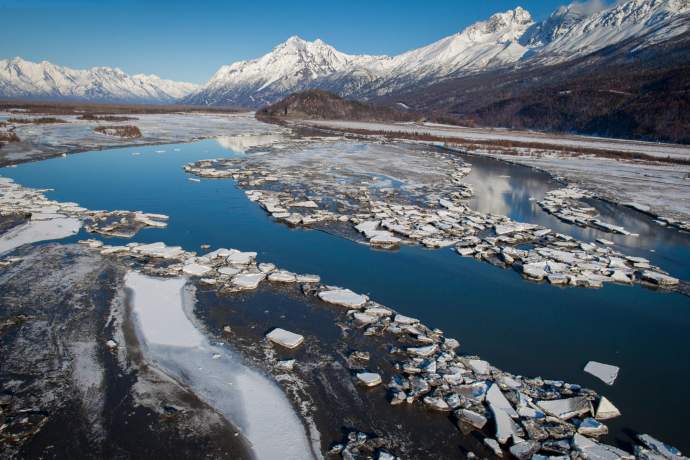
Snow begins melting, rivers and lakes thaw, and daylight hours increase rapidly. Wildlife becomes more active as animals emerge from winter patterns and migration seasons begin.
For many Alaskans, spring represents renewal.
Temperatures remain cool in many areas, but longer days bring noticeable energy back to communities and outdoor environments. Fishing activity begins increasing, hiking trails slowly reopen, and tourism preparation accelerates ahead of the busy summer season.
Wildlife viewing improves during spring as bears emerge from hibernation and migratory birds return north.
The landscape also changes visually.
Snow begins receding from lower elevations while greenery slowly returns to forests and valleys. Waterfalls often become especially powerful during spring because of snowmelt throughout mountainous areas.
One challenge during spring is that conditions can remain unpredictable. Some regions still experience snow while others transition toward warmer weather quickly.
Travelers visiting during spring often encounter quieter tourism conditions compared to summer, which appeals to people seeking fewer crowds and lower prices.
The season feels transitional and dynamic because Alaska shifts rapidly from frozen landscapes toward full seasonal activity.
Summer Brings Endless Daylight And Tourism
Summer is Alaska’s busiest tourism season for several important reasons.
The weather becomes milder, wildlife activity increases significantly, and daylight hours expand dramatically. In many parts of the state, the sun remains visible extremely late into the evening, while areas farther north experience nearly continuous daylight during peak summer weeks.
This phenomenon, often called the midnight sun, creates unique travel experiences.
People hike, fish, kayak, and explore outdoors late into the evening because daylight remains available for so many hours. The long days also allow travelers to fit more activities into a single day compared to most destinations.
Wildlife viewing becomes especially popular during the summer.
Whales migrate through coastal waters, bears actively fish along rivers, and bald eagles become highly visible near shorelines and fishing areas.
Summer also creates ideal conditions for many outdoor activities, including:
- Hiking
- Fishing
- Glacier tours
- Wildlife cruises
- Kayaking
- Camping
- Flightseeing tours
The landscape itself changes dramatically as forests become green, wildflowers bloom, and snow remains mostly limited to higher elevations.
Summer temperatures in many regions remain relatively comfortable compared to extreme heat elsewhere in the United States, which many visitors appreciate.
However, summer also brings the largest tourist crowds and the highest travel demand throughout much of Alaska.
A Brief Look At The Best Time To Cruise Alaska
Many travelers researching the best time to cruise Alaska often focus on the summer season because it offers the warmest weather, longest daylight hours, and strongest wildlife viewing opportunities.
For example, most cruise itineraries operate between late spring and early fall when coastal conditions are more accessible and glacier viewing, whale watching, and outdoor excursions become especially active.
However, the best time to cruise Alaska can vary depending on whether travelers prioritize wildlife, fewer crowds, lower pricing, or specific seasonal scenery.
Fall Creates Color And Quiet
Fall arrives earlier in Alaska than many visitors expect.
By late August and September, temperatures begin cooling noticeably, daylight hours shorten, and forests start changing color. Golden yellows, deep reds, and orange tones spread across parts of the landscape, especially in interior regions.
The tourism season also begins to slow down in the fall.
Cruise activity decreases, crowds thin out, and many seasonal businesses gradually prepare for winter closures. This quieter atmosphere appeals to travelers seeking a calmer experience.
Wildlife remains active during the fall as animals prepare for winter conditions.
Bears increase feeding activity before hibernation, while migratory birds begin traveling south. Fishing seasons continue in many regions as well.
Fall weather can become unpredictable quickly.
Rain increases in some coastal areas, while higher elevations may begin seeing early snowfall. Travelers visiting during this season often need to prepare for changing conditions and cooler temperatures.
Despite this, many people enjoy fall because Alaska feels quieter and more reflective after the busy summer season.
The changing light and colors create especially beautiful scenery throughout many regions.
How Seasonal Changes Affect Wildlife
Wildlife behavior in Alaska shifts constantly throughout the year.
During summer, animals focus heavily on feeding and raising young because warmer conditions create abundant food sources. Bears gather near salmon streams, whales migrate through coastal waters, and birds remain highly active.
Winter changes these patterns dramatically.
Some species hibernate, while others migrate or adapt through seasonal feeding behaviors. Moose, wolves, and certain bird species remain active year-round despite harsh conditions.
Spring and fall become transitional periods where migration and preparation strongly influence wildlife movement.
Travelers interested in wildlife viewing often plan trips carefully around these seasonal patterns because animal activity varies significantly depending on the time of year.
Seasonality, therefore, plays a major role in Alaska tourism itself.
Why Daylight Changes Matter So Much
Few places experience daylight shifts as dramatically as Alaska.
Summer’s long daylight hours create energetic travel conditions and extended outdoor opportunities. Winter’s darkness, however, changes routines, moods, and activities entirely.
For visitors, these daylight differences strongly influence travel experiences.
Summer days feel expansive and active, while winter creates quieter and more atmospheric environments focused heavily on snow, northern lights, and seasonal activities.
The extreme daylight variation also contributes to Alaska’s identity and uniqueness compared to other destinations.
Travelers often remember the midnight sun or winter darkness just as vividly as the scenery itself.
Conclusion
Alaska’s seasons shape nearly every aspect of life and travel throughout the state. From winter’s snow-covered landscapes and northern lights to summer’s endless daylight and wildlife activity, each season creates entirely different experiences for both residents and visitors.
Spring and fall offer quieter transitional periods filled with changing landscapes, while summer remains the most active tourism season because of mild weather and outdoor accessibility.
The dramatic seasonal shifts also influence wildlife behavior, daylight patterns, recreation, and tourism opportunities across Alaska’s enormous and varied geography.
Understanding these seasonal changes helps travelers choose the best time for their interests while appreciating how deeply connected Alaska remains to its natural environment.
No matter the season, Alaska offers experiences that feel powerful, visually unforgettable, and closely tied to the rhythms of nature itself.