

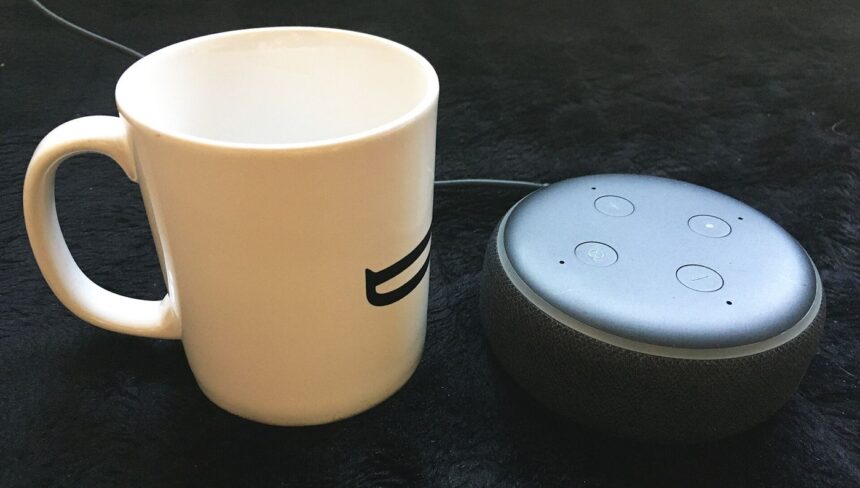
The first wave of smart homes chased novelty, filling rooms with gadgets that each came with their own app, voice commands, and occasional confusion. Homeowners are now taking a more mature approach, keeping devices that solve real daily problems and letting the rest go. Lighting that follows the evening, heating that learns the household rhythm, and alerts that warn about leaks or unlocked doors earn their place because they quietly save time, energy, or worry. The emphasis has shifted from how many devices a home contains to how well they work together. A calm, reliable routine, most owners agree, beats a house full of impressive but temperamental tricks.
What the Evidence Shows
Interoperability is helping, as newer devices are more likely to cooperate across brands instead of trapping households in a single system. Even so, thoughtful setup matters: naming devices clearly, grouping them by room, and automating only what genuinely happens every day keeps controls simple for everyone, including guests. Privacy deserves a place in the plan too, with cameras and microphones positioned deliberately rather than everywhere by default. Security updates should be enabled so devices stay protected as threats evolve. The smart home that works best, it turns out, is barely noticeable. It simply makes ordinary mornings and evenings run a little more smoothly, without asking for applause. Reporting and analysis from sources such as IEEE Spectrum track the same developments, and specialists following useful routines over gadget collections say the direction is now consistent across independent lines of evidence.
The Wider Context
Adoption of useful routines over gadget collections follows a familiar pattern with an unfamiliar speed. Early users tolerate rough edges in exchange for advantage, mainstream users arrive when the tool disappears into existing workflows, and the market consolidates around whoever made that transition feel effortless. Vendors are racing less on raw performance now than on integration, support and trust.
What Happens Next
The realistic forecast for useful routines over gadget collections is steady integration rather than sudden replacement: embedded in products people already use, improving in increments, and regulated in proportion to its reach. The companies and institutions that plan on that basis, training staff and redesigning processes instead of chasing launches, are the ones the adoption data tends to vindicate. You can follow related developments in our coverage of technology.
It is also worth remembering how quickly the picture in this area has changed before. Positions that looked settled a few years ago have been revised as new data arrived, and the same humility is appropriate now. The strongest coverage of this subject, and the most useful advice, tends to come from sources that update their views openly when the facts move, rather than defending an earlier position long after it has stopped fitting the evidence available.