

The rise of digital payments has transformed the global economy. Today, millions of transactions take place every minute through online payment systems, credit cards, debit cards, and mobile wallets. While these bclub technologies provide convenience and speed, they have also created new challenges related to cybersecurity and financial data protection. As a result, discussions about payment security, card data, and digital marketplaces have become more common in online communities and cybersecurity research.
One term that sometimes appears in these conversations is Bclub.tk, often referenced in relation to card-related platforms and discussions about CVV and dumps data. Understanding these terms and the broader context surrounding them is important for anyone interested in digital security, financial technology, and the risks associated with compromised payment information.
This article explores how login systems for online platforms work, explains the meaning of CVV and dumps in payment systems, and highlights the importance of protecting financial information in today’s digital world.
Understanding CVV and Dumps in Payment Systems
To understand discussions surrounding platforms like Bclub.tk, it is helpful to first understand the terminology commonly used in conversations about payment card data.
CVV, which stands for Card Verification Value, is a security code printed on payment cards. For most cards, it is a three-digit number located on the back of the card. This code is used during online purchases to confirm that the person making the transaction has physical access to the card.
The term dumps refers to data stored on the magnetic stripe of a payment card. This data includes key information that allows the card to be read by payment terminals. In legitimate payment systems, this data is used to process transactions securely.
However, when such data is obtained through illegal means such as data breaches or skimming devices, it may circulate in underground cybercrime markets. Because of this risk, banks and cybersecurity professionals continuously monitor discussions and platforms associated with card data to prevent fraud.
Why Platforms Like Bclub.tk Are Mentioned in Cybersecurity Discussions
In some online communities, platforms like Bclub.tk are referenced in discussions about payment card data ecosystems. Cybersecurity analysts often study these environments to understand how cybercriminal networks operate and how compromised financial information may circulate.
Monitoring these platforms helps financial institutions and security experts identify potential threats and take action to protect consumers. For example, if compromised card numbers appear in certain online spaces, banks may cancel those cards and issue replacements to prevent fraudulent transactions.
This type of monitoring is an important part of modern fraud prevention and financial security strategies.
How Login Systems Typically Work on Online Platforms
Most websites and digital platforms use secure login systems to manage user access. These systems are designed to protect user accounts and prevent unauthorized entry.
Although each platform may have its own specific interface, the general login process usually follows a similar structure.
Account Registration
Before logging in, users must usually create an account. This typically involves selecting a username, creating a password, and providing an email address. Many platforms also require email verification to confirm the identity of the user.
Secure Authentication
Once an account is created, users can log in by entering their credentials. Modern platforms often use encrypted bclub.tk connections to ensure that login information is protected during transmission.
Additional security layers may include:
- Two-factor authentication
- Device verification
- Login alerts
- Security questions
These measures help reduce the risk of unauthorized access.
User Dashboard Access
After successful authentication, users gain access to their personal dashboard or account area. This interface typically allows users to manage their settings, view account activity, and interact with platform features.
Secure platforms also monitor login patterns to detect unusual activity, such as logins from unfamiliar devices or locations.
The Importance of Protecting Payment Card Data
Payment card information is considered highly sensitive. If it falls into the wrong hands, it can be used for unauthorized transactions or identity theft. Because of this, financial institutions invest heavily in security systems designed to protect cardholder data.
Some of the most important security technologies include:
EMV Chip Technology
EMV chips embedded in modern payment cards generate unique transaction codes each time the card is used. This makes it extremely difficult for criminals to duplicate the card.
Tokenization
Tokenization replaces real card numbers with temporary tokens during payment processing. Even if intercepted, the token cannot be used for additional transactions.
Artificial Intelligence Fraud Detection
Banks use advanced machine learning algorithms to monitor millions of transactions and detect suspicious activity in real time.
Multi-Factor Authentication
Many payment systems require additional verification, such as one-time passwords or biometric authentication, before approving transactions.
These technologies create multiple layers of protection for cardholders.
Common Techniques Used to Steal Card Information
Cybercriminals use several techniques to obtain payment card data. Understanding these methods can help individuals take steps to protect themselves.
Data Breaches
Hackers sometimes target companies that store customer payment information. If a company’s security systems are compromised, large amounts of card data may be exposed.
Phishing Attacks
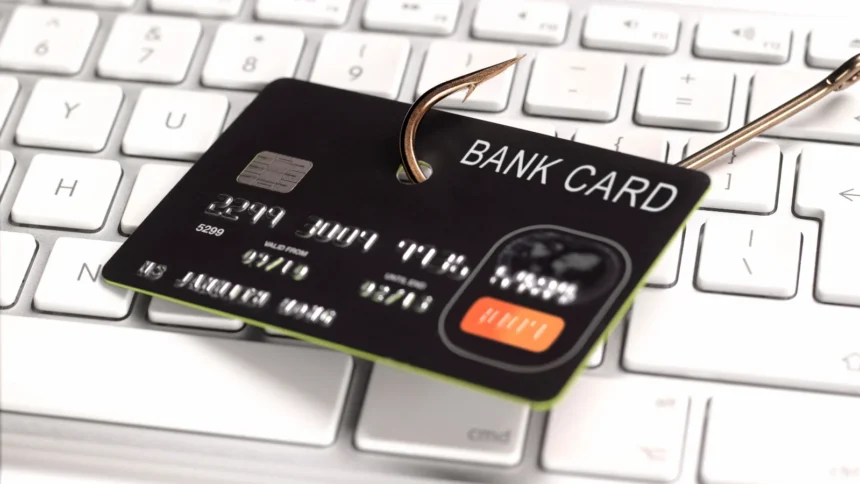
Phishing emails or fake websites attempt to trick users into entering their card details. These messages often appear to come from trusted companies.
Skimming Devices
Skimming devices installed on ATMs or payment terminals can capture card data when a card is swiped.
Malware Attacks
Malware can infect computers or point-of-sale systems, allowing attackers to record payment information during transactions.
Awareness of these risks is essential for preventing financial fraud.
Tips for Protecting Your Financial Information
Consumers can reduce the risk of card fraud by following several simple security practices.
Some helpful tips include:
- Regularly checking bank and credit card statements
- Using trusted websites for online purchases
- Avoiding entering payment information on public Wi-Fi networks
- Enabling transaction alerts through banking apps
- Reporting suspicious activity immediately
Taking these precautions helps ensure that potential fraud is detected quickly.
The Role of Businesses in Card Security
Businesses that process card payments must also take strong measures to protect customer data. Many companies follow the Payment Card Industry Data Security Standard (PCI DSS), which outlines best practices for handling cardholder information.
Common security measures used by businesses include:
- Secure payment gateways
- Encrypted databases
- Network monitoring systems
- Regular security audits
- Employee cybersecurity training
These practices help maintain trust between businesses and customers.
The Future of Digital Payment Security
As digital payments continue to evolve, new technologies are emerging to strengthen security and reduce fraud risks. Innovations such as biometric authentication, blockchain verification systems, and advanced AI monitoring tools are expected to play a major role in the future of financial security.
These technologies aim to make transactions faster, safer, and more reliable for users around the world.
Conclusion
The phrase “Bclub.tk Login: Explore a World of Premium CVV and Dumps” reflects terminology that sometimes appears in online discussions about payment card data and cybersecurity research. While such platforms may be mentioned in conversations about financial data ecosystems, it is important to focus on the broader issue of protecting payment information and maintaining strong security practices.
By understanding how payment card systems work, recognizing potential threats, and following responsible digital habits, individuals and organizations can help ensure that the global payment ecosystem remains secure and trustworthy.