

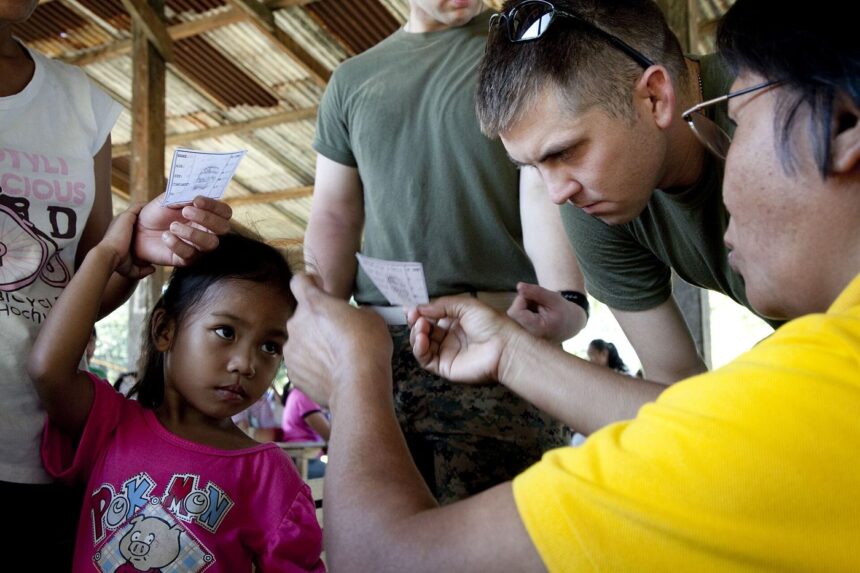
Health services are sending screening invitations earlier and following them up with reminder messages, in a coordinated push to raise uptake of programmes that detect cancer and other serious conditions before symptoms appear. Officials say too many invitations still go unanswered, particularly in poorer neighbourhoods, among people with busy caring responsibilities, and in communities where screening carries stigma or misunderstanding. The new approach uses plainer language, translated materials and booking links that allow people to choose a time directly instead of phoning during office hours. Mobile screening units are also visiting workplaces, faith centres and community venues to bring appointments closer to where eligible people already spend their time. The programme draws on lessons from vaccination campaigns, where trusted local voices and convenient locations consistently outperformed central letters alone. Screening teams are therefore training community champions who can explain, in everyday language, what an appointment involves and answer common worries about discomfort, results and time off work. Early pilots suggest personal encouragement is especially effective for people attending for the first time, who may have delayed for years because they did not know what to expect or feared bad news arriving without support around them at home.
What the Evidence Shows
Clinicians are clear about both the benefits and the limits of screening, which can find disease early when treatment is more effective, but can also produce anxious waits and occasional false alarms. Programmes are monitored for these harms, and invitation letters increasingly explain them honestly so people can decide for themselves. Anyone who has missed an invitation can usually rebook without needing a new referral, and GP practices can confirm eligibility in minutes. Health charities argue that the biggest gains will come from listening to non-attenders, whose reasons often involve transport, fear or past bad experiences rather than simple forgetfulness. Services are also shortening the gap between invitation and appointment, because long waits give anxiety time to build and increase missed slots. Where capacity allows, people can now book directly into sessions within a fortnight. Results letters are being rewritten too, with clear next steps and a contact number answered by staff who can explain findings. Together, organisers say, these unglamorous details decide whether a well-designed screening programme actually reaches the people it was built to protect. Reporting and analysis from sources such as The Lancet track the same developments, and specialists following earlier screening invitations say the direction is now consistent across independent lines of evidence.
The Wider Context
Equity runs through every discussion of earlier screening invitations. Interventions that require apps, fees or free weekday afternoons reliably reach the people who need them least, so the programmes earning praise are those designed around clinics, workplaces and community venues that already serve everyone. Evaluation reports now publish uptake by income and region as a matter of routine.
What Happens Next
The practical takeaway on earlier screening invitations is deliberately unglamorous: it works best as part of ordinary, well-delivered care rather than as a standalone fix. Health services are planning on that basis, building the referral routes and follow-up that turn a promising result into population benefit. The gains arrive slowly and then, in the statistics, unmistakably. You can follow related developments in our coverage of health.
It is also worth remembering how quickly the picture in this area has changed before. Positions that looked settled a few years ago have been revised as new data arrived, and the same humility is appropriate now. The strongest coverage of this subject, and the most useful advice, tends to come from sources that update their views openly when the facts move, rather than defending an earlier position long after it has stopped fitting the evidence available.