

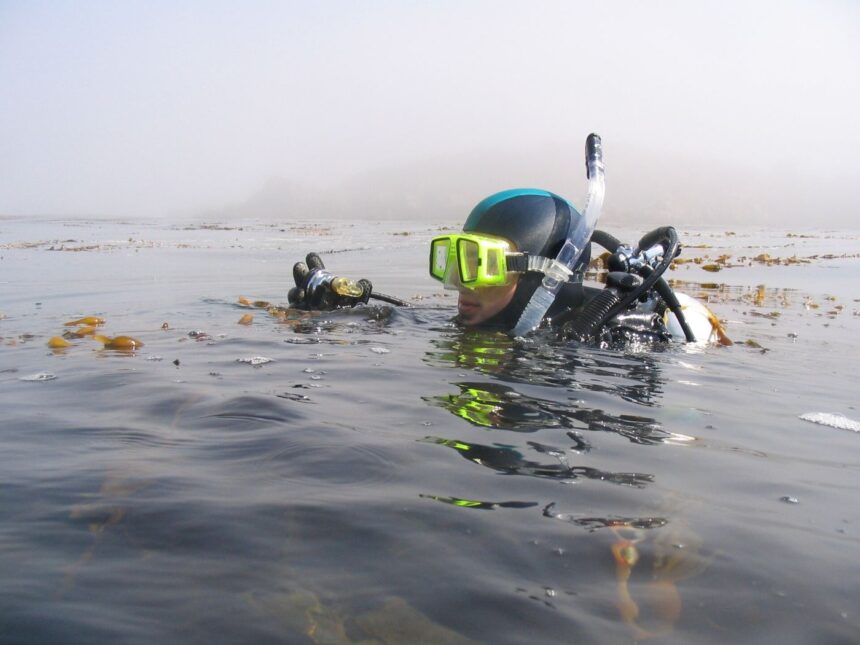
Kelp forests are among the most productive habitats on Earth, sheltering fish, absorbing carbon and protecting coastlines, yet in many regions they have thinned dramatically under pressure from warming seas, pollution and surging populations of grazing sea urchins. Marine teams are finding that recovery accelerates noticeably when divers actively replant cleared patches of seabed with young kelp grown in nurseries, rather than simply waiting for spores to arrive naturally. The replanted patches act as anchors for a wider comeback: once fronds establish and begin releasing spores of their own, neighbouring bare rock is colonised more quickly, and the returning canopy shades the seabed, discouraging the algae that compete with young kelp. Fish surveys around restored sites show juveniles returning within a single season, drawn by shelter and food. For coastal communities that depend on the fisheries and tourism these forests support, the results suggest restoration is not just symbolic, but a practical investment with visible returns in biodiversity and local livelihoods.
What the Evidence Shows
Successful projects share a few common features. Divers first tackle the cause of the original loss, culling or relocating excess urchins and checking that water quality is good enough for young plants to survive, because replanting into unchanged conditions usually fails. Nursery teams grow kelp from local parent stock to preserve regional genetic diversity, attaching seedlings to biodegradable twine or small stones that can be fixed to the seabed efficiently. Monitoring then continues for years, not months, since storms and heatwaves can undo early gains and managers need honest data on survival rates. Scientists are also experimenting with selecting kelp strains that tolerate warmer water, collected from the warmest edges of a species’ existing range. Combined with marine protected areas that limit further damage, these active techniques are shifting kelp conservation from observation toward intervention, offering a model that restoration groups working on seagrass, mangroves and coral are watching with close professional interest. Reporting and analysis from sources such as Nature track the same developments, and specialists following the kelp replanting programme say the direction is now consistent across independent lines of evidence.
The Wider Context
The wider context is a research landscape in which replication and open data now decide reputations. Findings connected to the kelp replanting programme are being checked by independent groups with shared datasets, and the teams involved publish their methods in full so rivals can test every step. That discipline is slower than a headline cycle, but it is why results in this area increasingly survive first contact with scrutiny.
What Happens Next
What happens next in the story of the kelp replanting programme will be decided by follow-up work already under way: larger samples, longer observation and instruments that have not yet come online. The researchers involved are unusually united on one point, that the current results justify the next investment of time and money. Readers will not have to wait long for the first tests of that claim. You can follow related developments in our coverage of science.
None of this will be settled by a single announcement, study or product launch. The pattern to watch is accumulation: independent confirmations, honest reporting of failures and steady improvement in the underlying numbers. Readers who follow those signals, rather than the loudest claim of the week, will understand this subject better than most of the commentary surrounding it suggests is possible.