

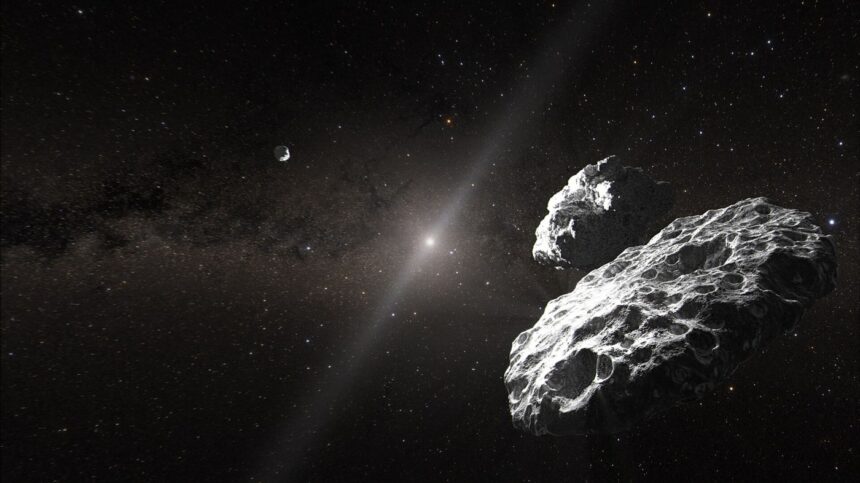
Grains of rock brought back from an asteroid by a sample return spacecraft are giving scientists their clearest look yet at the raw materials that built the early solar system. Laboratory analysis shows the samples contain water locked inside minerals, along with carbon-rich compounds similar to those found in the earliest meteorites. The findings support the idea that asteroids may have delivered much of Earth’s water, carried in rocky bodies that crashed into the young planet billions of years ago. Researchers describe the samples as time capsules, largely unchanged since the solar system formed, unlike Earth rocks that have been reworked by weather, volcanoes and plate tectonics. The work is painstaking, with individual grains smaller than a grain of sand studied under microscopes, but each one adds detail to the story of how a cloud of dust and gas became planets.
What the Evidence Shows
The analysis depends on keeping the samples pristine, so laboratories handle them in sealed chambers filled with inert gas to prevent contamination from Earth’s air and moisture. Teams in several countries are sharing the material, comparing results to build a consistent picture of the asteroid’s composition and history. Some of the organic compounds found are the same kinds that play roles in living things, though scientists stress this is not evidence of life, only that the ingredients were present early. Further sample return missions are already being planned, targeting different types of asteroids to see how widely the water-rich chemistry extends. Each new sample, researchers say, narrows the range of ways Earth could have gained its oceans, and brings the origin of water on our planet into sharper focus. The team says the samples will be shared with laboratories worldwide, so independent groups can verify the results and compare them with material from other asteroids. Reporting and analysis from sources such as Nature track the same developments, and specialists following the water-rich asteroid samples say the direction is now consistent across independent lines of evidence.
The Wider Context
The wider context is a research landscape in which replication and open data now decide reputations. Findings connected to the water-rich asteroid samples are being checked by independent groups with shared datasets, and the teams involved publish their methods in full so rivals can test every step. That discipline is slower than a headline cycle, but it is why results in this area increasingly survive first contact with scrutiny.
What Happens Next
What happens next in the story of the water-rich asteroid samples will be decided by follow-up work already under way: larger samples, longer observation and instruments that have not yet come online. The researchers involved are unusually united on one point, that the current results justify the next investment of time and money. Readers will not have to wait long for the first tests of that claim. You can follow related developments in our coverage of science.
None of this will be settled by a single announcement, study or product launch. The pattern to watch is accumulation: independent confirmations, honest reporting of failures and steady improvement in the underlying numbers. Readers who follow those signals, rather than the loudest claim of the week, will understand this subject better than most of the commentary surrounding it suggests is possible.