

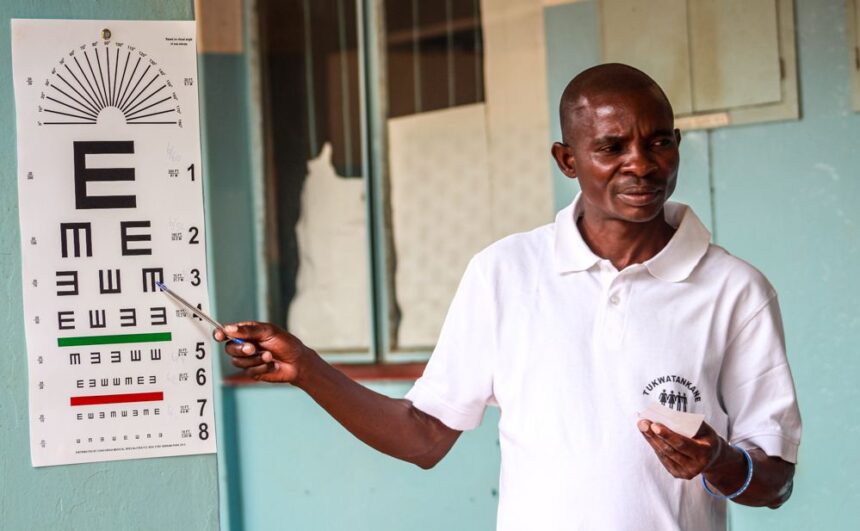
Children’s eye health is getting attention as screen time grows, with parents, teachers and opticians asking whether hours spent looking at tablets and phones are affecting young eyes. Children now spend far more of their day looking at close-up screens than previous generations did, whether for schoolwork, games or videos, and eye specialists say the change is showing up in more children needing glasses at a younger age. The most common concern is short-sightedness, where distant objects look blurred, and researchers link its rise partly to less time spent outdoors in natural daylight. Eye strain is another worry, with children reporting tired eyes, headaches and rubbing their eyes after long sessions on a screen. Opticians say the signs are easy to miss, since children rarely complain about vision they assume is normal. Regular eye tests, they stress, can catch problems early, when glasses or simple changes to habits can make a real difference.
What the Evidence Shows
Experts recommend a simple rule for screen use: regular breaks, with children looking away from the screen every twenty minutes to focus on something far away. Outdoor play matters too, and health guidance suggests children should spend time outside every day, not only for their eyes but for exercise and mood. Screens should be held at a reasonable distance, with good lighting and a screen brightness that matches the room. Parents are advised to watch for signs such as squinting, sitting very close to the television or holding a book unusually near the face, and to book an eye test if any of these appear. Eye tests for children are free in many places, and opticians can advise on glasses if needed. For children’s eyes, experts say, the best protection is a mix of regular checks, frequent breaks and plenty of time outdoors. Reporting and analysis from sources such as The Lancet track the same developments, and specialists following children’s eye health and screens say the direction is now consistent across independent lines of evidence.
The Wider Context
Equity runs through every discussion of children’s eye health and screens. Interventions that require apps, fees or free weekday afternoons reliably reach the people who need them least, so the programmes earning praise are those designed around clinics, workplaces and community venues that already serve everyone. Evaluation reports now publish uptake by income and region as a matter of routine.
What Happens Next
The practical takeaway on children’s eye health and screens is deliberately unglamorous: it works best as part of ordinary, well-delivered care rather than as a standalone fix. Health services are planning on that basis, building the referral routes and follow-up that turn a promising result into population benefit. The gains arrive slowly and then, in the statistics, unmistakably. You can follow related developments in our coverage of health.
It is also worth remembering how quickly the picture in this area has changed before. Positions that looked settled a few years ago have been revised as new data arrived, and the same humility is appropriate now. The strongest coverage of this subject, and the most useful advice, tends to come from sources that update their views openly when the facts move, rather than defending an earlier position long after it has stopped fitting the evidence available.