

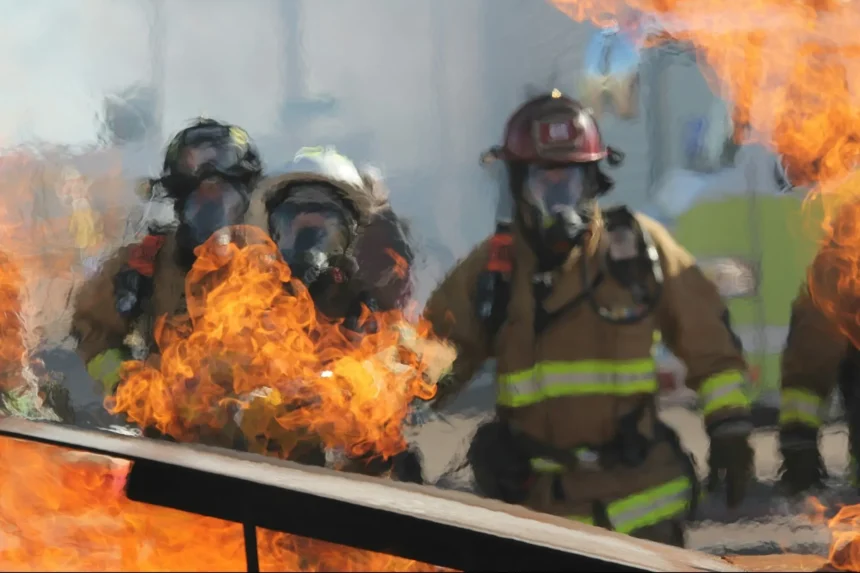
Business interruptions begin with overlooked safety gaps. A disabled alarm panel, inactive sprinklers, or renovation sparks can trigger serious concerns within hours. Property managers face difficult choices during such situations. Building access, workforce protection, regulatory obligations, and asset preservation require attention. During vulnerable periods, an overnight fire watch service helps maintain vigilance while critical systems remain unavailable.
Fire Safety Gaps Can Trigger Immediate Operational Risks
A functioning protection network forms part of daily operations. Once alarms or sprinklers stop working, risk levels change. Local authorities may require active monitoring before permitting continued occupancy.
Consider a distribution facility awaiting electrical repairs. Staff members continue working. Inventory remains stored indoors. Without dedicated observation, a minor incident could escalate unnoticed. Business continuity depends upon hazard awareness. Delayed detection creates complications.
Why Trained Fire Watch Personnel Matter
Fire watch officers provide more than visible presence. Their role involves inspection, documentation, and communication. Through scheduled patrols, developing concerns receive attention before conditions worsen.
During construction activity, hidden dangers appear. Welding sparks, temporary wiring, and combustible materials create exposure points. Experienced personnel recognize warning signs others might overlook.
Key responsibilities include:
- Recording patrol findings throughout assigned shifts
- Identifying blocked exits during inspections
- Reporting hazardous conditions without delay
- Monitoring repair areas after maintenance work
Each task contributes toward uninterrupted business activity.
What Happens During Overnight Coverage?
Night hours create unique challenges for property operators. Reduced occupancy limits visual oversight. Maintenance teams leave before repairs finish. Security staff may focus elsewhere.
Under those circumstances, an overnight fire watch service provides monitoring throughout vulnerable periods. Officers patrol designated zones, inspect equipment surroundings, and verify evacuation routes remain accessible.
Imagine a hotel experiencing alarm system failure overnight. Guest rooms remain occupied. Front desk personnel handle arrivals. Continuous observation adds protection while technicians complete restoration efforts.
Key Advantages Businesses Gain
Professional coverage offers value beyond compliance requirements. Decision-makers benefit from awareness during temporary system outages.
Benefits include:
- Faster hazard recognition
- Reduced closure risk
- Inspection-ready documentation records
- Stronger occupant protection measures
- Greater confidence during repairs
Each advantage addresses operational concerns directly. Property owners gain breathing room while corrective work progresses.
Quick Comparison
| Without Fire Watch | With Professional Coverage |
| Hazards remain unnoticed longer | Patrols identify concerns early |
| Limited outage oversight | Continuous observation maintained |
| Inspection challenges arise | Activity logs remain available |
| Closure risks increase | Occupancy requirements addressed |
Could Any Industry Face Shutdown Exposure?
Every commercial property carries exposure during system outages. Retail stores, warehouses, healthcare facilities, schools, hotels, and manufacturing sites face distinct challenges.
A warehouse contains valuable inventory. Hotels house guests overnight. Manufacturing facilities operate equipment generating heat. Risks differ across sectors, yet active monitoring remains valuable.
Questions arise after unexpected equipment failure. Waiting passively improves outcomes. Protective measures must begin once impairment occurs.
Selecting Coverage That Fits Operational Needs
Service quality varies across providers. Experience, response speed, and reporting practices deserve evaluation. Businesses should verify personnel training before deployment decisions.
When reviewing providers, consider:
- Available staffing during emergencies
- Familiarity with local code expectations
- Detailed reporting capabilities
- Experience across property categories
Reliable coverage extends beyond patrol activity. Accurate records, professional judgment, and situational awareness deliver stronger protection throughout outage periods.
When Prevention Preserves More Than Property
A failed sprinkler system may appear temporary. Yet one unnoticed electrical fault can threaten inventory, occupancy permissions, and customer confidence. Patrol logs, repeated route checks, and hazard reporting create value beyond compliance requirements. Organizations protecting operations during outages protect something larger as well: business momentum. Once disruption spreads across schedules, deliveries, and client commitments, recovery costs far more than preventive coverage would.
FAQs
What is a fire watch service?
A fire watch service provides trained personnel who monitor properties when fire protection systems remain impaired or unavailable.
Can businesses operate during alarm outages?
Requirements vary by jurisdiction. Fire watch coverage often helps satisfy temporary safety obligations during repairs.
Who needs overnight fire watch coverage?
Hotels, warehouses, healthcare facilities, construction sites, and commercial properties frequently require overnight monitoring.
How quickly can coverage begin?
Many providers offer rapid deployment following system failures, inspections, or emergency safety concerns.