

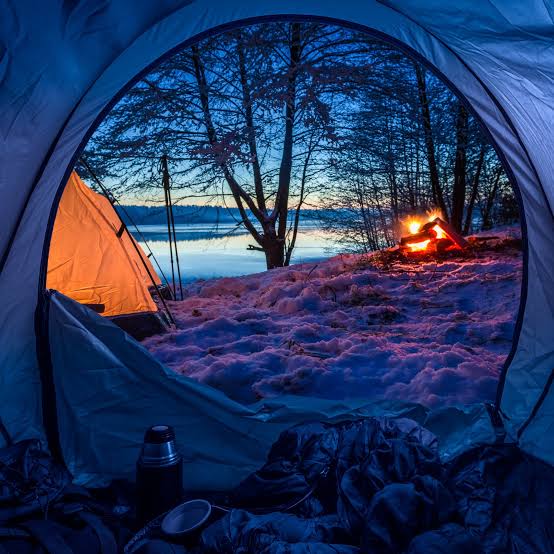
Most people pack the tent away after Labor Day, and that is exactly why the cold months are worth a second look. Campgrounds that need reservations six months ahead in July have open sites in October. The bugs are gone, the air is clear, and the night sky is darker and sharper than it ever gets in summer. The trade-off is simple: you have to manage cold, moisture and short days on purpose instead of hoping for the best. This guide covers where to go between October and March, how to build a sleep system that actually keeps you warm, and the small habits that separate a cozy trip from a miserable one.
Why the Off-Season Is Worth It
Fall is the sweet spot for many campers. In the Northeast and Upper Midwest, foliage peaks between late September and mid-October, and lakeside sites that were packed in August sit quiet. Across the South and Southwest the logic flips: places that are brutally hot in July become pleasant in November and December. Winter proper is a different animal. Snow camping in the Rockies or the Sierra Nevada demands four-season gear and avalanche awareness. For a first cold-weather trip, pick a drive-in campground in the shoulder season, where your car is a warm backup, and build confidence there before you commit to a snow cave.
One practical note: many national forest and state park campgrounds shut off water and close loops after October. Check the specific campground page and call if the information looks stale.
Regions That Shine in the Cold Months
You do not need one perfect campground to plan well. Think in regions and what each offers when the temperature drops.
- Southern Appalachians (October to November): Long foliage season, mild days, cold nights. State parks in North Carolina, Tennessee and Georgia often keep a loop open year-round, sometimes with electric hookups.
- Desert Southwest (November to March): Big Bend, Joshua Tree, Death Valley and the Utah red-rock country are at their best. Dry air makes cold nights feel sharp, but tent condensation is rarely a problem.
- Florida and the Southeast coast (December to February): The one region where winter is the main season. Book weekends early.
- Northern forests and mountains: Snow, short days and real cold. Go only with proper gear and a clear bail-out plan.
Stargazing deserves a mention. Winter air holds less haze, so the Milky Way and the Orion Nebula look dramatically crisper from a dark site, and long nights mean you do not have to stay up late to see them. A camp chair, a thermos and a red-light headlamp are the whole kit.
Layering for Camp, Not Just the Trail
Most layering advice is written for hikers who are moving and generating heat. Camp is different: you spend hours sitting still, cooking, reading or staring at the fire. Start with a wool or synthetic base layer, never cotton, and change into a dry set the moment you stop moving for the day. Sweat trapped against your skin is the fastest route to shivering. Your mid layer should be thick fleece or a puffy insulated jacket, and a second puffy or an insulated vest over it for evenings is not overkill. The outer shell blocks wind, which matters more than people expect; a modest breeze at 35°F feels colder than calm air at 25°F.
Extremities lose heat fast. Bring a warm hat you can sleep in, insulated gloves plus thin liners for tasks that need dexterity, and two pairs of thick socks reserved for camp and sleep. Insulated booties or roomy boots keep your feet from going numb while you cook. If you are new to this, the beginner camping tips on clothing choices make a good checklist before you leave the house, because the gaps usually show up at your wrists, ankles and neck rather than your core.
Your Sleep System and the R-Value Nobody Reads
Cold ground steals more heat than cold air. People upgrade their sleeping bag and then freeze because they are lying on a thin summer pad. The number to look for is the pad’s R-value, a measure of how well it resists heat flow. For nights around freezing, aim for a combined R-value of 4 or higher; for the teens and single digits, 5 or more. You can stack pads to get there: a closed-cell foam pad under an inflatable adds warmth and a backup if the inflatable leaks.
Choose a sleeping bag rated at least 10 degrees colder than the lowest temperature you expect. Manufacturer ratings are usually a survival limit, not a comfort number, and most people sleep colder than they think. A 20°F-rated bag is a sensible fall pick for most of the country; a 0°F bag is the entry point for real winter. A mummy shape with a draft collar and a snug hood retains far more heat than a roomy rectangular bag.
Small additions matter. A liner adds a few degrees, and a hot water bottle tucked into the foot of your bag before bed is still the best trick in the book. Keep tomorrow’s clothes and your electronics inside the bag, eat a snack with fat and protein before sleep, and use the bathroom before you zip in.
Beating Condensation and Keeping the Tent Dry
Waking up to a damp sleeping bag in October is usually not rain. It is your own breath. Each sleeper exhales a surprising amount of water vapor overnight, and in cold air it condenses on the inside of the fly and drips back down. Ventilation is the fix, even when letting cold air in feels wrong. Open the vents at the top of the fly, crack the door zipper a few inches, and stake the fly taut so it does not touch the inner tent. Pitch on higher, well-drained ground rather than in a hollow where cold, damp air pools, and avoid camping right beside a lake in the cold months. In the morning, shake the frost off and let the tent air out while you make coffee.
Never try to solve the cold by running a stove, a gas lantern or a fuel heater inside the tent. Carbon monoxide builds up fast in an enclosed space, and people die this way every year. Cook outside, and warm the tent with your body and your sleep system, not combustion. Heaters labeled for indoor use belong in a vented cabin or RV with a working carbon monoxide detector, not in a nylon tent.
Fire, Food and Wildlife When the Temperature Drops
A campfire is the heart of a cold-weather trip, but fire rules do not take the winter off. Check for burn bans, which are common in the dry Southwest even in December, and use only established rings. Keep the fire small; a modest fire you can sit close to warms you more than a bonfire you have to back away from. Have water or a shovel within reach, and drown, stir and feel the ashes before bed. Buy firewood locally rather than hauling it across state lines, which spreads tree pests.
Cold weather does not mean wildlife is gone. Mountain bears may be out well into November, and rodents hunt harder for warm places and calories. Store food, trash and anything scented in a bear box, a canister or a locked vehicle, never in the tent.
Plan meals that are hot, quick and high in calories: soups, chili, oatmeal and pasta you can rehydrate with boiling water. Every minute spent cooking with bare hands is a minute you are getting cold. Keep fuel canisters warm in your jacket before use, since isobutane stoves lose pressure near freezing. Drink more than you think you need; cold air is dry, and dehydration makes you colder.
Before You Go
Run through this list the night before you leave.
- Check the forecast for the campground elevation, including the overnight low and wind speed.
- Confirm the campground is open, whether water is available and what the fire restrictions are.
- Pack a pad with an adequate R-value and a bag rated 10 degrees below the expected low. Add a liner and a hot water bottle.
- Bring a dry sleep outfit, warm hat, spare socks and liner gloves in a dry bag.
- Carry a headlamp with fresh batteries plus spares, since it is dark by 5:30 p.m. in December.
- Tell someone your plan and your return time, and pack out everything you bring in.
Once you have a warm night under your belt, the off-season stops feeling like a compromise and starts feeling like the best-kept secret in outdoor travel. The community guides on Camping.tips cover campfire safety, waterproofing and stargazing spots in more depth, and the Leave No Trace mindset behind them matters even more when fewer people are around. Go find a quiet site, pitch high and dry, and enjoy the stars.